The government has frozen about GH¢6.9 million and US$440,000 in cash and restrained 73 assets linked to suspected illicit drug trafficking and money laundering as part of an intensified crackdown on the drug trade.
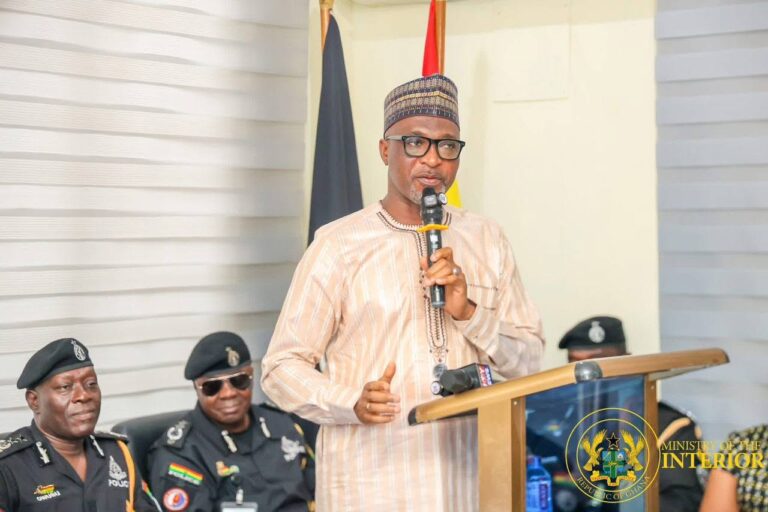
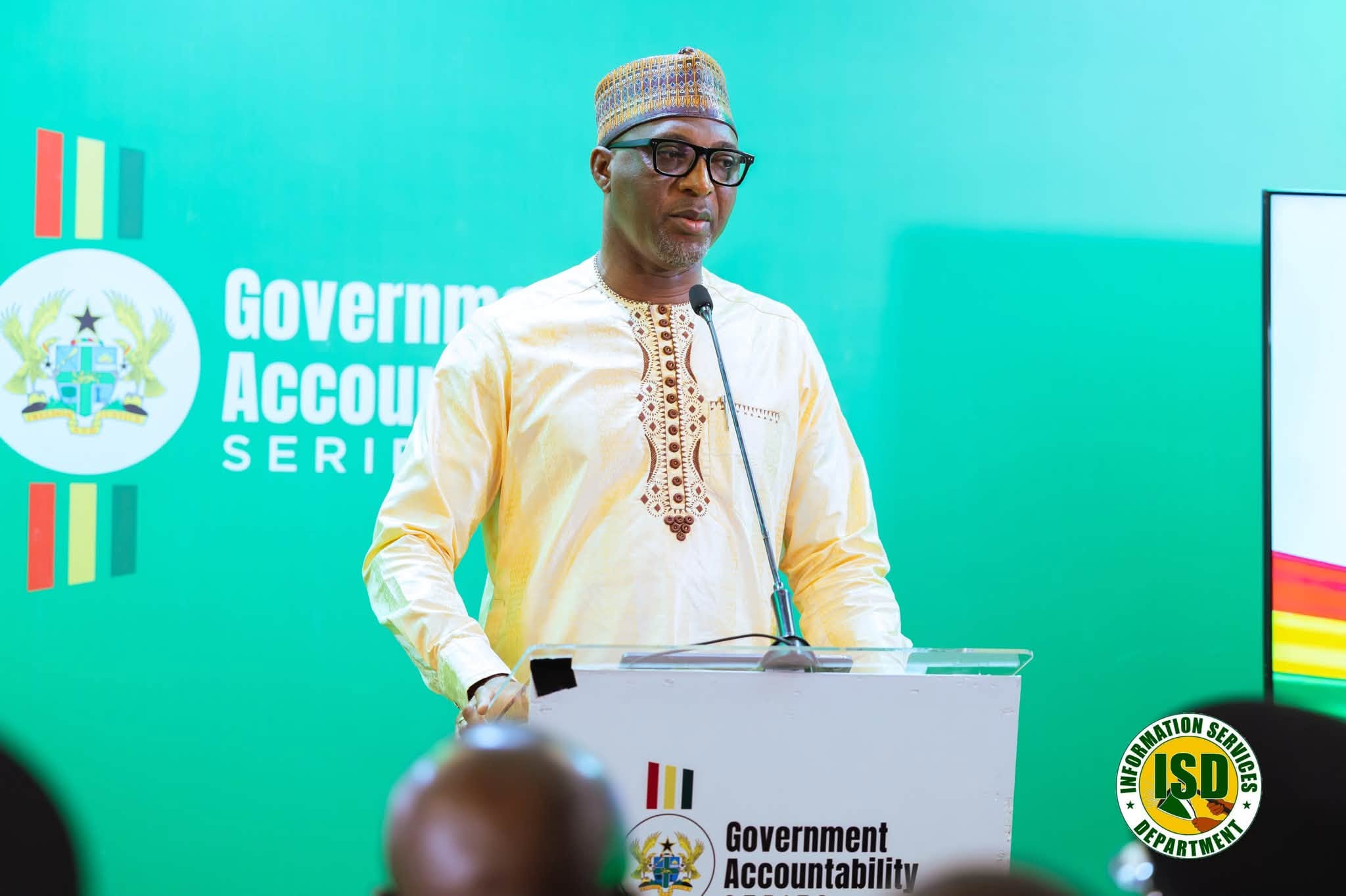
The Minister for the Interior, Muntaka Mohammed-Mubarak, disclosed this on Monday, August 24, 2026, during the Government Accountability Series.
According to the Minister, the government’s strategy is increasingly focused on disrupting the financial networks that support drug trafficking, rather than targeting only users and distributors.
He explained that security agencies were tracing and freezing assets suspected to be connected to drug-related activities while investigations and prosecutions were ongoing.
Mr Muntaka said about 19 kilogrammes of gold had also been seized in suspected drug-related money laundering cases.
Over 8,500kg of narcotics seized
The Minister said the financial seizures formed part of a broader intelligence-led operation involving the Narcotics Control Commission (NACOC), the Ghana Police Service and other security agencies.
Between January 2025 and July 2026, the agencies seized more than 8,500 kilogrammes of narcotic drugs and approximately 45.4 million tramadol tablets.
The operation also resulted in 217 arrests, while 165 cases were prosecuted.
Mr Muntaka commended the Director-General of NACOC and his team for what he described as a bold approach to combating illicit drugs.
He expressed particular concern about the growing use and trafficking of synthetic drugs, especially tramadol.
Intensified public education
The Minister said enforcement efforts were being complemented by education and prevention programmes aimed at reducing drug use, particularly among young people.
He disclosed that NACOC had conducted more than 2,000 educational programmes nationwide, reaching 1,153 first-cycle schools, 185 second-cycle schools and 41 tertiary institutions.
The programmes also covered 187 faith-based organisations, 147 communities and 235 workplaces.
Rehabilitation remains a challenge
Despite the progress made in enforcement and prevention, Mr Muntaka identified rehabilitation as a major gap in Ghana’s response to drug abuse.
He noted that the country currently lacks a dedicated national rehabilitation centre with the capacity to adequately support people struggling with drug dependence.
The Minister said the government’s approach therefore combines law enforcement, financial disruption, education and prevention, while emphasising the need to strengthen rehabilitation services as part of a comprehensive response to illicit drug abuse.
About the Author