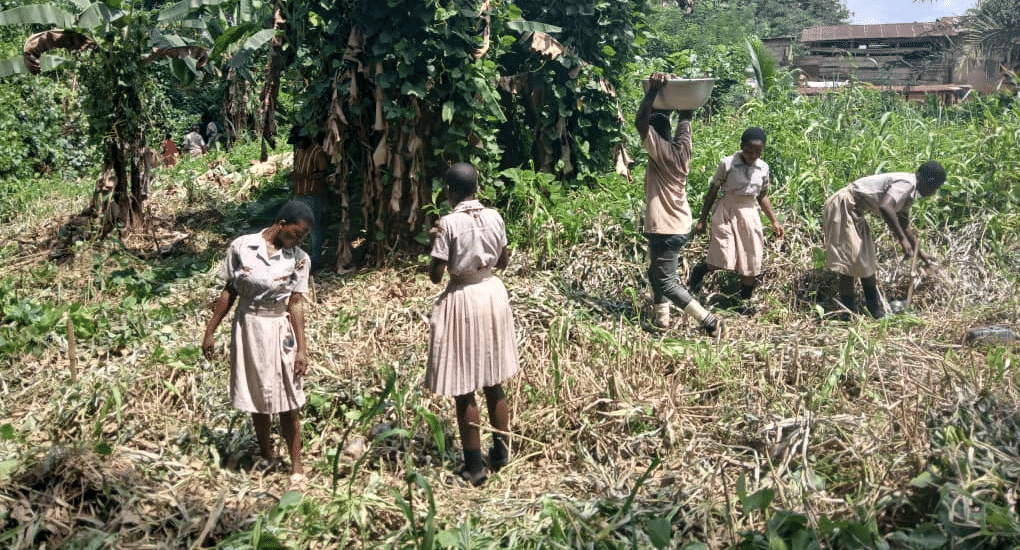
KWASI KOMFO, Eastern Region, Ghana — The Concerned Citizens of Atewa Landscape (CCAL), in collaboration with the Water Resources Commission (WRC), has undertaken a tree-planting exercise to restore three acres of buffer vegetation along the Adantem Stream at Kwasi Komfo in the Eastern Region.
The initiative forms part of ongoing efforts to protect water bodies, restore degraded landscapes and promote sustainable environmental management through community participation.
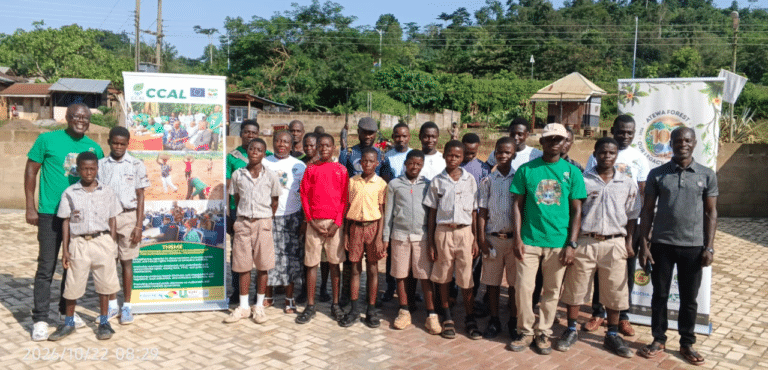
The exercise brought together traditional authorities, church leaders, school pupils and community members, all united by a shared commitment to protecting the environment and safeguarding water resources for present and future generations.
Traditional Values Meet Environmental Conservation
The programme began with a traditional libation poured on the banks of the Adantem Stream, highlighting the community’s cultural connection to its natural resources and the importance of collective responsibility in environmental conservation.
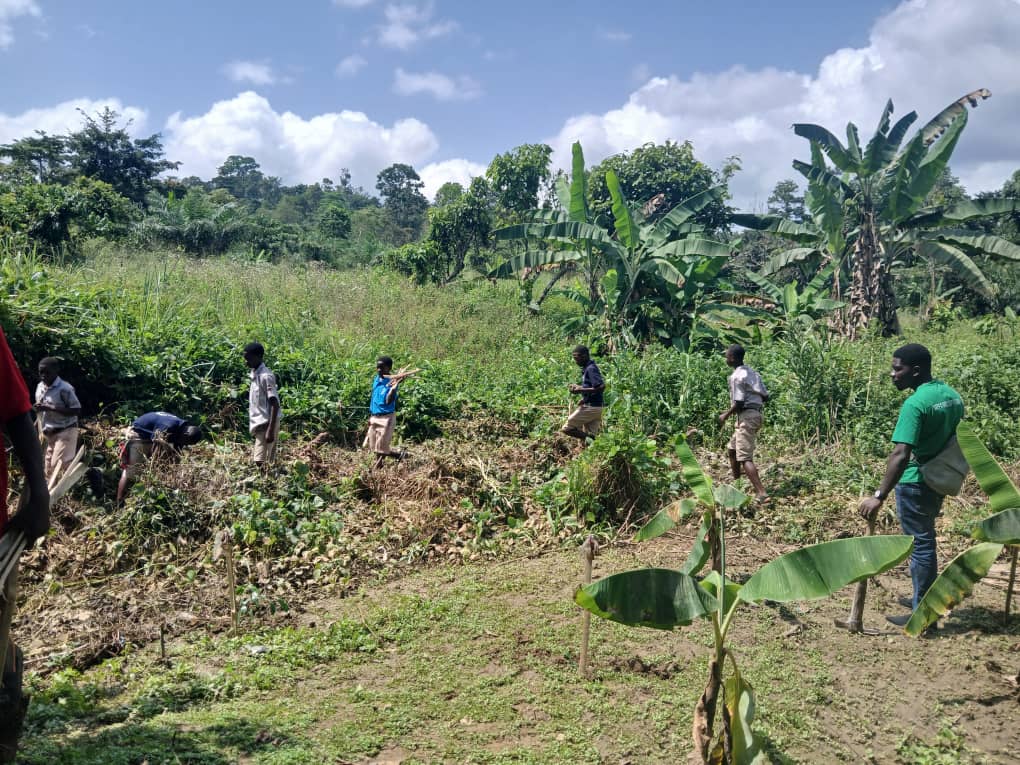
The participation of traditional authorities, religious leaders, pupils and residents underscored the need for a collaborative approach to restoring and protecting the stream’s buffer zone.
WRC Urges Community to Protect Newly Planted Trees
Mr. Festus Aidoo Larweh, a Water Management Officer at the Densu Basin Secretariat of the Water Resources Commission in Koforidua, explained the objectives of the buffer restoration initiative and the role expected of the community in ensuring its success.
He emphasised the responsibility of chiefs and elders, residents and school pupils to nurture and protect the newly planted trees to ensure their survival and growth.
The initiative, he noted, goes beyond planting trees, as it seeks to promote a lasting culture of environmental stewardship in which communities actively participate in protecting water bodies, preventing further degradation and maintaining healthy stream buffers.
CCAL Calls for Community Ownership of Restoration Project
Speaking on behalf of CCAL, the organisation’s coordinator, Mr. Asumaku Paul, urged traditional authorities and community members to take ownership of the initiative and protect the restored buffer area along the Adantem Stream.
He stressed that tree planting was only the beginning of the restoration process, adding that its long-term success would depend on the community’s commitment to nurturing the seedlings and preventing activities that could undermine their growth.
Mr. Asumaku also encouraged chiefs and elders to use their traditional authority to safeguard the restored area while urging residents to avoid activities that could damage the seedlings or degrade the stream’s buffer zone.
School pupils were encouraged to see themselves as future custodians of the environment and to take an active role in protecting the newly planted trees and the Adantem Stream.
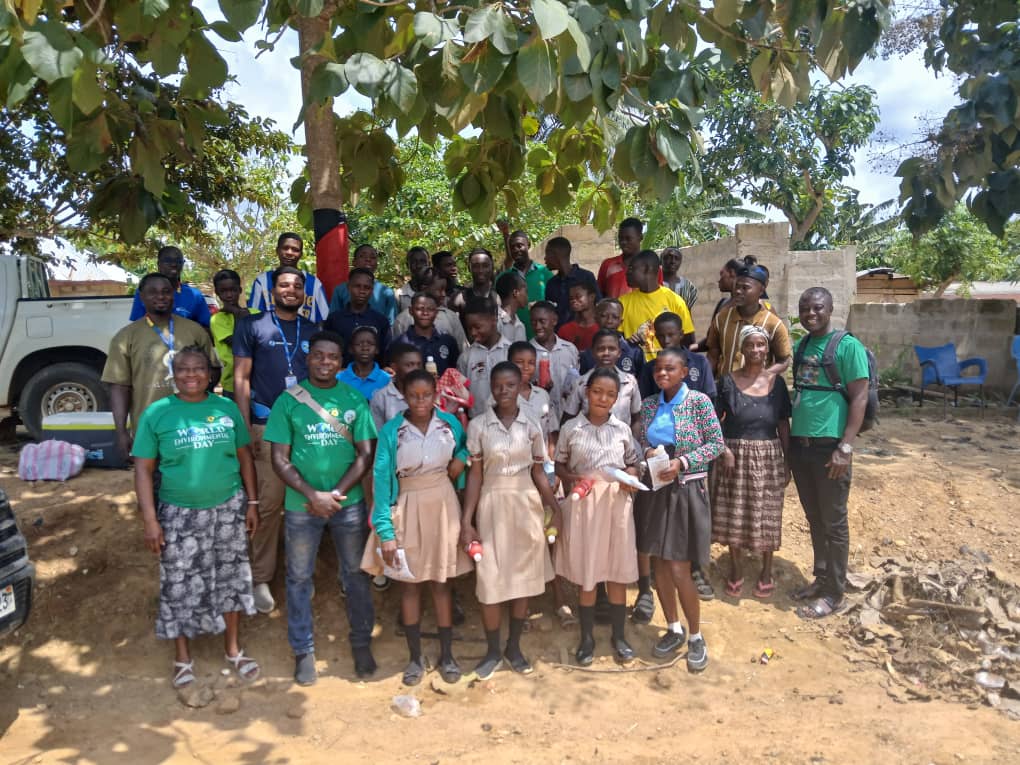
The initiative reinforces the message that environmental restoration requires more than planting trees; it demands sustained commitment, effective protection and active community participation.
CCAL Acknowledges Support from Project Partners
CCAL expressed appreciation to the Nature’s Heartbeat Project, supported by the International Union for Conservation of Nature (IUCN) and A Rocha Ghana, for their support towards the environmental restoration initiative.
The organisation also acknowledged the collaboration of the Water Resources Commission, traditional authorities, church leaders, school pupils and community members whose participation contributed to the exercise.
The partnership highlights the importance of collaboration among environmental organisations, public institutions, traditional leaders, educational institutions and local communities in addressing environmental challenges.
Initiative Targets Long-Term Protection of Adantem Stream
The restoration of three acres of buffer vegetation along the Adantem Stream represents a significant step towards protecting local water resources, restoring degraded landscapes and strengthening community involvement in environmental conservation.
CCAL reaffirmed its commitment to promoting sustainable development, environmental education and community-led restoration initiatives aimed at protecting the natural environment for future generations.
The organisation called on all stakeholders to ensure that the planted trees are nurtured, monitored and protected until they become established vegetation capable of supporting the long-term health of the stream ecosystem.
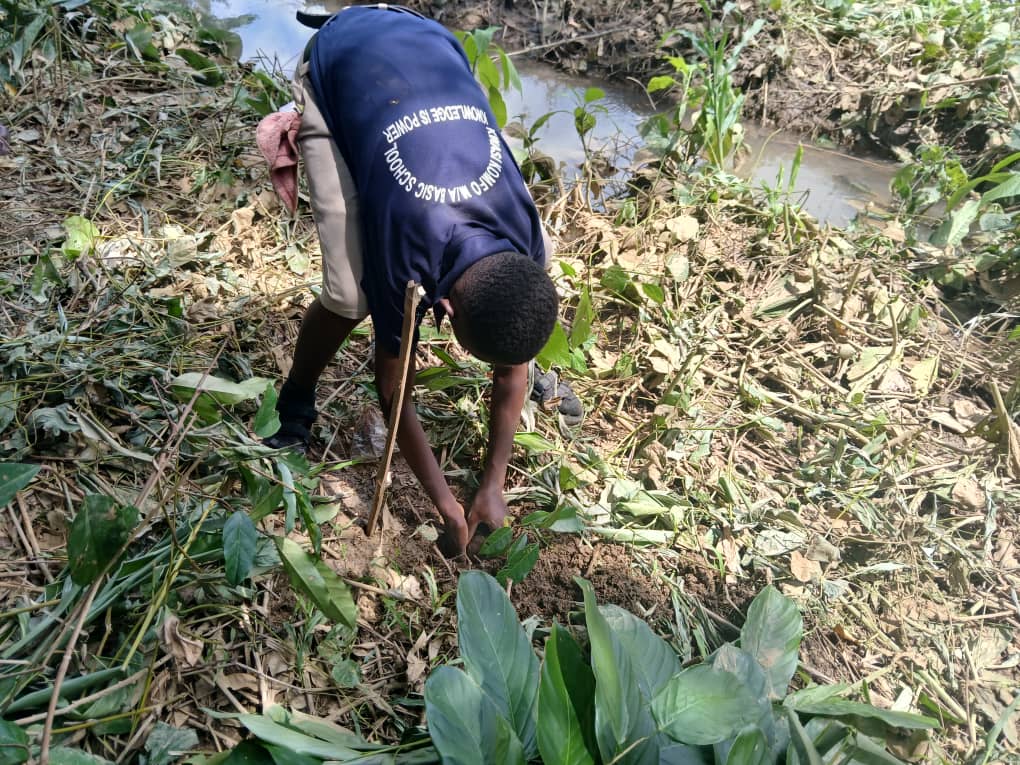
Through its “Green 4 Life” and “Reveg… We Plant 4 Life” advocacy messages, CCAL continues to encourage collective action towards restoring degraded landscapes, protecting water bodies and building a greener future for generations to come.
About the Author