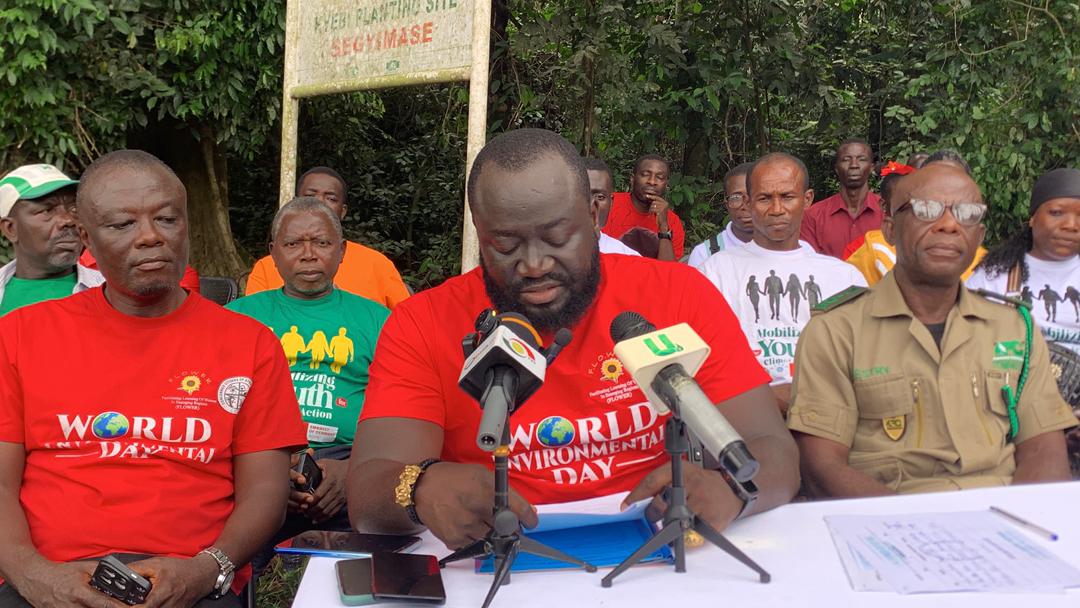
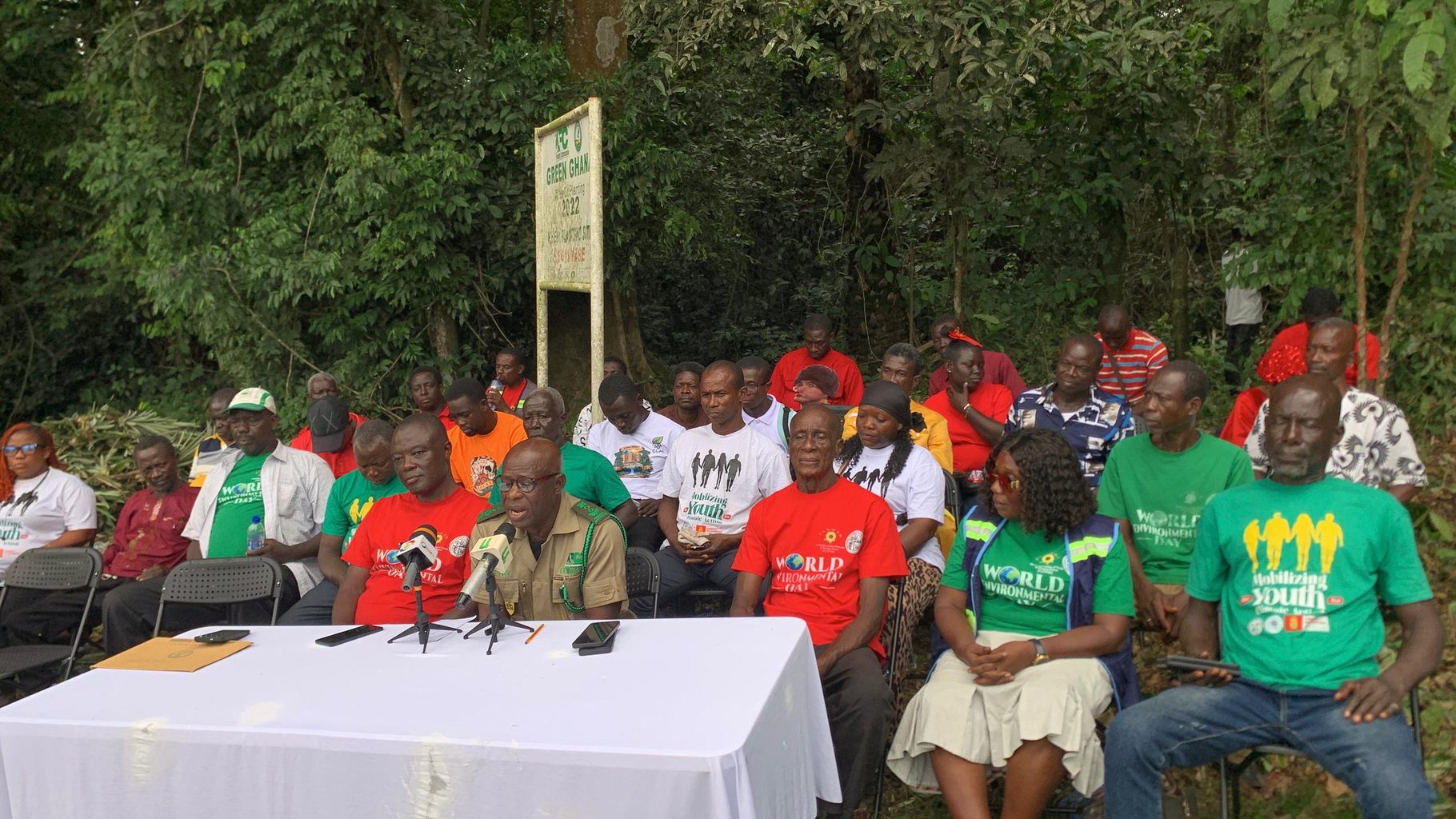
The Concerned Citizens of Atewa Landscape (CCAL) has called on the Government of Ghana to strengthen efforts to protect the Atewa Forest Reserve, warning that the country risks long-term environmental damage if mineral extraction is prioritised over ecological sustainability.
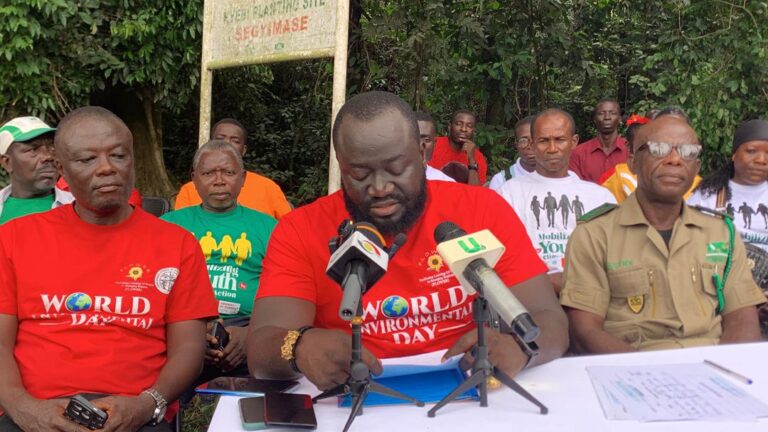
In a media statement issued on Wednesday, October 28, 2026, CCAL expressed support for Environment Minister Dr. Zanetor Agyeman-Rawlings’ call to protect the environment, stressing that gold reserves are finite while the consequences of environmental destruction could persist for generations.
The group said the Minister’s remarks at Climate Talks 2026 in Accra highlighted the need for Ghana to balance mineral exploitation with environmental protection and long-term national planning.
CCAL cited the experience of Nauru, a small Pacific island nation that suffered extensive environmental degradation following years of phosphate mining, as a warning Ghana should take seriously.
According to the group, Nauru’s experience demonstrates the dangers of depending heavily on exhaustible mineral resources without adequate environmental safeguards and plans for economic sustainability beyond mining.
“What will remain when the gold is exhausted? Will our rivers still provide clean drinking water? Will our forests continue to sustain biodiversity and regulate the climate?” CCAL questioned, emphasising that the issues extend beyond environmental concerns to public health, food security, livelihoods and national development.
CCAL Highlights Atewa Forest’s Importance
The group described the Atewa Forest Reserve as a critical national asset that supports biodiversity, protects water resources, stores carbon and sustains communities dependent on a healthy environment.
It noted that the Atewa landscape contributes to river systems associated with the Densu, Ayensu and Birim basins, which support communities and economic activities. The Densu River, in particular, serves as an important source of water for parts of the Greater Accra Region.
CCAL warned that large-scale mining in or around the ecologically sensitive landscape could contribute to forest degradation, soil erosion, water pollution, sedimentation and habitat destruction.
It added that the consequences could include increased pressure on water supplies, declining agricultural productivity, loss of livelihoods and greater vulnerability to environmental changes.
The organisation argued that decisions concerning the forest should not focus solely on the potential revenue from gold extraction but must also account for the long-term environmental and economic costs.
Calls for Stronger Enforcement and Transparency
While acknowledging the contribution of mineral resources to Ghana’s revenue generation, employment and development, CCAL maintained that mining must not undermine the natural systems essential to human survival.
The group called for consistent enforcement of mining and environmental laws, greater transparency in the issuance of mining licences and environmental permits, and accountability for operators responsible for unlawful mining and environmental destruction.
It further urged authorities to ensure that environmental impact assessments consider the wider effects of mining on forests, watersheds, river systems and surrounding communities, rather than focusing only on individual mining sites.
CCAL stressed that where environmental risks are unacceptable, particularly in critical ecosystems and protected forest landscapes, authorities must be prepared to reject activities that threaten their ecological integrity.
Seven Demands to Government
To safeguard Ghana’s natural resources, CCAL outlined seven priority actions for the government.
These include strengthening protection of the Atewa Forest Reserve, intensifying enforcement against illegal mining, prioritising water security in mining decisions, and ensuring public access to information on mining licences, environmental assessments and rehabilitation obligations.
The group also called for mining companies and operators to be held accountable for pollution and environmental damage, alongside increased investment in forest restoration and community-led conservation initiatives.
Additionally, it urged the government to diversify the economy by investing in sustainable agriculture, renewable energy, education, responsible industries and ecological restoration to prepare the country for a future beyond gold.
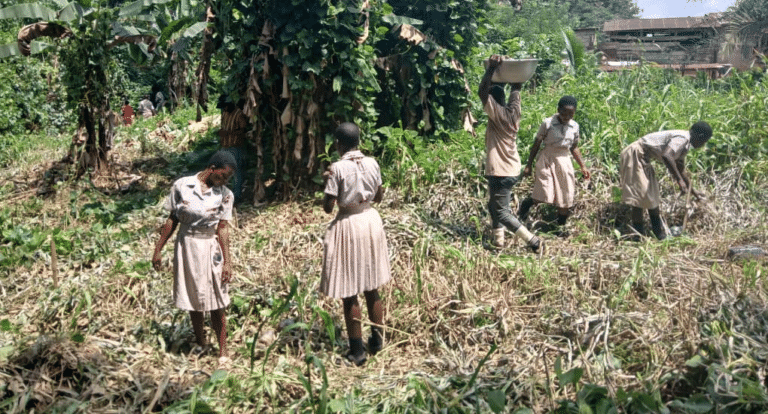
CCAL said traditional authorities, civil society organisations, schools and local communities must work together to restore degraded landscapes, protect riverbanks and promote sustainable livelihoods.
The organisation also highlighted its revegetation initiatives and proposed school revegetation clubs as part of efforts to educate and empower young people to become responsible stewards of the environment.
‘Protect Atewa, Protect Our Future’
CCAL said the Environment Minister’s warning presented Ghana with an opportunity to demonstrate stronger leadership in environmental governance and translate public commitments into concrete action.
It cautioned against a situation in which future generations inherit depleted mineral reserves alongside degraded forests, polluted rivers and weakened livelihoods.
The group emphasised that Ghana was not destined to experience the same environmental challenges as Nauru but could draw lessons from the island nation’s experience by prioritising environmental safeguards and long-term planning.
It therefore called on the government, Parliament, regulatory institutions, traditional authorities, mining operators and the public to regard environmental protection as a shared national responsibility.
“The gold may eventually run out. Our responsibility to protect Ghana must never run out,” CCAL stated.
The organisation concluded with its call to action: “Protect Atewa. Protect Our Water. Protect Our Future.”
It also reaffirmed its environmental campaign message: “Green 4 Life — Revege… We Plant 4 Life.”
About the Author